

Bradycardia Symptoms You Should Never Ignore
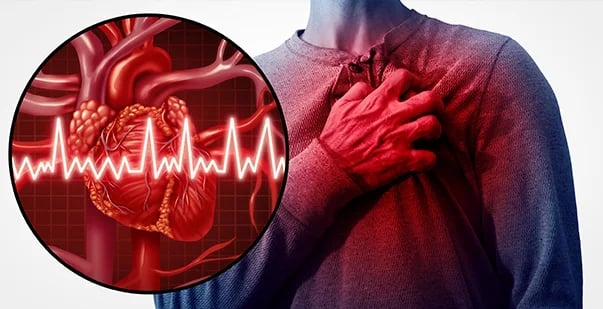
Your heart is a silent and diligent worker that keeps going quietly. But due to conduction issues in the heart, your heart rhythm sometimes malfunctions and slows down. A slow heart rate can be confusing, as people are a bit used to a higher heart rate, especially during exercise, stress, or excitement. When this heart rate is below 60 beats per minute, it is a sign of a heart rhythm disorder.
This condition is known as Bradycardia. Knowing bradycardia symptoms is important because when your heart beats too slowly, it may not pump enough oxygen-rich blood to meet the body's needs.
Paying attention to the warning signs early and visiting a good heart rhythm clinic Abu Dhabi can save you from further complications. In this blog, we will discuss what bradycardia is and its symptoms in detail. We will also talk about why you should visit a heart rhythm clinic for bradycardia symptoms.
What is Bradycardia?
Bradycardia is a heart rhythm disorder in which the resting heart rate falls below 60 beats per minute over a period of time. If you are a healthy adult who exercises regularly, a resting heart rate below 60 may not be a cause for alarm. The problem arises when the slow heart rate begins to affect blood circulation or is linked to an electrical problem in the heart. The heart's rhythm is controlled by electrical signals that coordinate each heartbeat. When these signals are delayed, blocked, or disrupted, the heart may beat more slowly than normal. This results in various symptoms that affect your daily life and are a sign to visit a doctor.
Low Energy and Fatigue
The first symptom is that you feel fatigue that does not go away even after rest. When the heart is not pumping blood efficiently, the body's organs and muscles receive less oxygen than they need. As a result, you can feel exhausted doing simple tasks. You may feel unusually drained throughout the day, even after getting adequate sleep.
.
Dizziness and Lightheadedness
A slow heart rate can reduce blood flow to the brain, so you can feel dizzy or lightheaded. These bradycardia symptoms are more noticeable when you stand up quickly. You should not ignore frequent dizziness if it occurs with other heart-related symptoms.
Fainting or Feeling Close to Faint
This is a more alarming symptom. If you suddenly feel that the room is going grey or the ground is moving, it is a sign to see a cardiologist. When blood flow to the brain drops significantly, it causes a temporary loss of consciousness. Even a single fainting episode should not be ignored, as it may point towards a heart rhythm disorder.
Shortness of breath
If you struggle or start gasping while climbing stairs or walking short distances, it may be a sign of bradycardia. This shortness of breath is caused when your heart is not circulating enough blood to meet the oxygen demands of basic movements.
Chest discomfort
Chest pain is usually a symptom of coronary artery disease, but may also feel pressure, tightness, or mild pain in the chest due to bradycardia. Reduced blood circulation puts extra strain on the heart, especially in people with pre-existing heart conditions.
If you're experiencing persistent bradycardia symptoms, seek expert care before they affect your daily life.
Detailed Medical Consultation
First, the doctor will ask you about your symptoms, medical history, lifestyle, and any medications you are currently taking. This helps him to understand the basic cause of your heart rhythm issue.
Review of Symptoms
The doctor will ask in detail about your palpitations, dizziness, fainting, fatigue, and chest discomfort to determine how severe and frequent your symptoms are.
Physical Examination
Doctors will conduct a thorough physical examination, including checking your pulse, blood pressure, and other cardiovascular parameters.
Electrocardiogram (ECG)
An ECG may be conducted to record the electrical activity of your heart and detect any abnormal rhythms.
Advanced Heart Monitoring
Depending on your bradycardia symptoms, you may be advised to wear a Holter monitor or event recorder to track your heart rhythm over an extended period.
Additional Diagnostic Tests
Doctors may recommend blood tests, echocardiograms, stress tests, or electrophysiology studies to find about the underlying causes.
Personalized Treatment Discussion
Based on the results, the specialist will explain your diagnosis and discuss treatment options with you, which may include medications, lifestyle changes, catheter ablation, or pacemaker implantation.
Frequently Asked Questions
Q. What are the most common bradycardia symptoms?
Common bradycardia symptoms include fatigue, dizziness, lightheadedness, fainting, shortness of breath, and difficulty concentrating.
Q. When should I see a doctor for bradycardia symptoms?
You should seek medical attention if you always feel tired and dizzy or experience fainting episodes.
Q. How is bradycardia diagnosed at a heart rhythm clinic Abu Dhabi?
A heart rhythm clinic in Abu Dhabi uses tests such as an ECG, Holter monitor, blood tests, echocardiogram, or electrophysiology studies to find the cause of your symptoms.
Q. Why should I visit a heart rhythm clinic Abu Dhabi for bradycardia?
You receive advanced diagnostic testing and personalized treatment plans for heart rhythm disorders in a heart rhythm clinic Abu Dhabi.
Why Should You Visit a Heart Rhythm Clinic Abu Dhabi?
Conclusion
If you have been experiencing unexplained fatigue, recurrent dizziness, episodes of fainting, or breathlessness that does not match your level of activity, schedule a visit to a heart rhythm clinic Abu Dhabi. You may have a heart rhythm disorder, like bradycardia. Bradycardia symptoms should not be ignored, but you should also not get too stressed, as bradycardia is manageable. At Bone Care One Day Surgery Center, our experienced cardiac specialists use advanced diagnostic technology and personalized treatment plans to identify and treat heart rhythm disorders. Schedule an appointment today and take the first step toward a healthier, stronger heartbeat!
Common Bradycardia Symptoms
Symptoms can differ from person to person. Some people only feel mild discomfort, while others may face serious bradycardia symptoms that need immediate medical attention. The most common symptoms that people struggle with are:
Not every slow heart rate needs treatment. However, if you experience the above-discussed bradycardia symptoms over a period of time, it is important to visit a specialist at the heart rhythm clinic Abu Dhabi for:

© Copyright 2026 BONE CARE ONE DAY SURGERY - LLC. All Rights Reserved. | DOH License No. MF4555 | Terms & Conditions